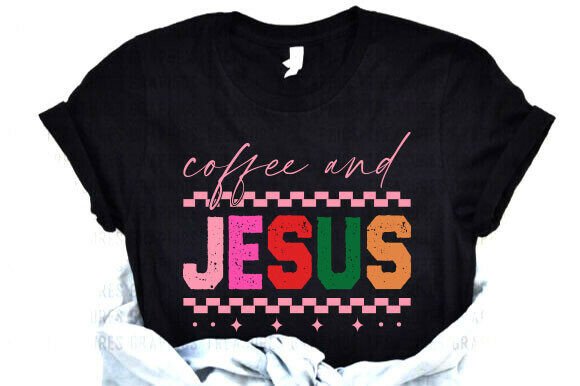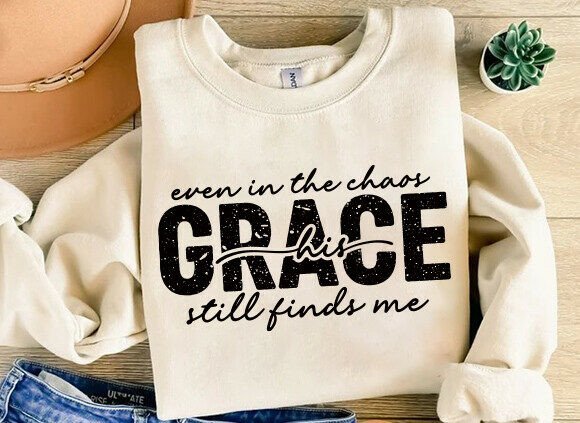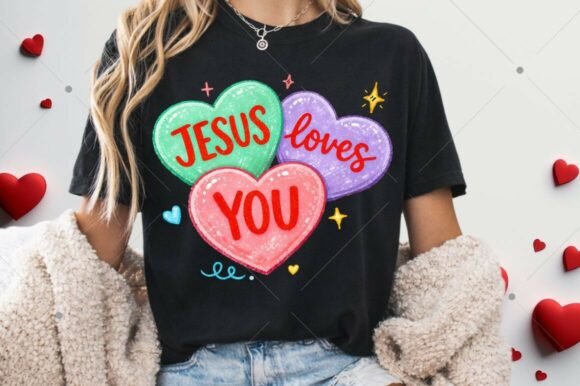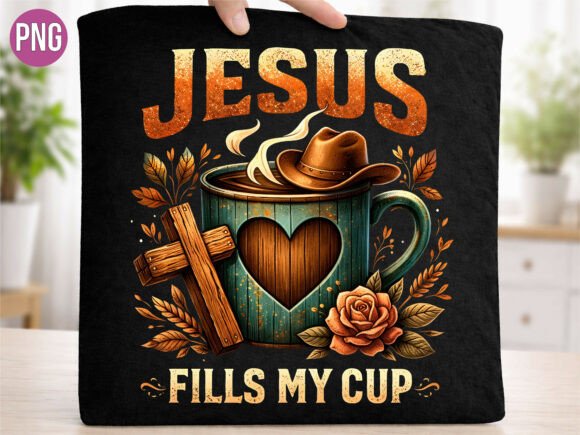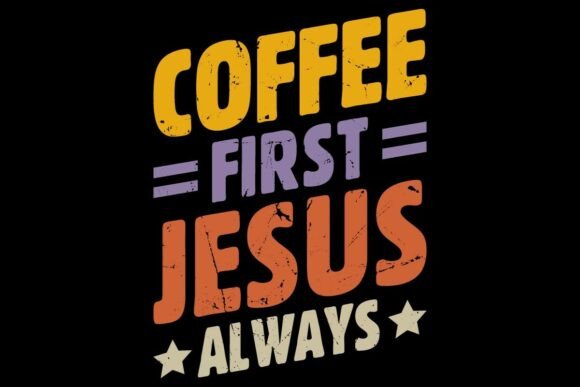
Coffee First Jesus Always Bible Saying
First Impression: Warm, Witty, and Worn-in Right Away
When I opened Coffee First Jesus Always Bible Saying, I didn’t see just another faith-based phrase—I saw a design that breathes like real life. It’s got that gentle, slightly imperfect rhythm you’d find in hand-lettered chalk on a café chalkboard or stitched onto a well-loved apron. The layout leans casual but intentional: “Coffee First” sits up front with soft curves and open spacing, while “Jesus Always” follows with grounded, rounded serifs—like the two ideas are in conversation, not competition. There’s no heavy ornamentation, no overwrought flourishes. Just clean lines, balanced weight, and a quiet confidence that says more than it shouts.
A Real Project Test: Embroidering It on a Linen-Cotton Kitchen Towel
Last week, I used Coffee First Jesus Always Bible Saying for a small-batch order of embroidered kitchen towels for a local boutique. Linen-cotton blend, medium texture, light beige ground. I chose matte cotton thread in warm charcoal and creamy oat—no high-contrast drama, just subtle warmth. What stood out immediately was how forgiving the letterforms were: generous x-height, consistent stroke width, and breathing room between words. No tight corners pinched in satin stitch. No tiny serifs lost in fill stitch density. It stitched cleanly at 3.8" wide—well within standard 4x4 hoop limits—and held its shape even where the fabric had slight weave variation.
Where It Shines (and Where It Asks for Care)
Coffee First Jesus Always Bible Saying works beautifully on custom apparel like relaxed-fit sweatshirts and unisex tees—especially when paired with natural fibers and low-impact dyes. It’s also a standout for tote bag designs, baby embroidery (think onesies or burp cloths), and pillow covers meant for cozy, lived-in spaces. As a machine embroidery design, it avoids over-engineering: moderate stitch density keeps it flexible on stretchy knits, and the lack of dense fill areas means it won’t stiffen thin fabrics like lightweight rayon or chambray.
That said—don’t rush it onto curved surfaces like caps without testing. The horizontal flow doesn’t adapt as easily to crown curvature as a circular or arched layout would. And while it reads clearly on dark fabric with proper underlay and thread contrast, avoid pairing it with ultra-fine threads (e.g., 60-weight) on textured surfaces like bouclé or heavy terry—details soften too quickly. On layered garments (think hoodies with interior fleece), double-check stabilizer support: a medium cutaway worked best for me, not tear-away.
What It Adds to Your Handmade Product
This isn’t just text—it’s tone. Coffee First Jesus Always Bible Saying brings approachability to faith-based messaging without diluting sincerity. Customers notice that. In my Etsy shop, items featuring this design consistently earn comments like *“Exactly how I feel before Sunday service”* or *“My mom cried when she opened it.”* That emotional resonance lifts perceived value. It feels handmade—not mass-produced—because the spacing and rhythm suggest human intention, not algorithmic alignment. For small shop owners and craft fair sellers, that authenticity builds trust faster than any polished logo ever could.
Design Assets That Serve Your Business, Not Just Your Machine
I’ve used Coffee First Jesus Always Bible Saying across three commercial embroidery projects this season: a set of personalized gifts for a church women’s retreat (aprons + tea towels), a limited run of holiday embroidered patches for a nonprofit’s volunteer team, and digital embroidery file bundles sold alongside printable mockups for Etsy sellers. In every case, buyers appreciated how easily it adapted—whether resized for a 2.5" patch or scaled up for a 7" tote bag design. Its simplicity is strategic: it leaves room for your brand voice, your color palette, your customer’s story.
But here’s what I always do before committing: test the design on scrap fabric matching my final project’s weight and texture; check thread color contrast in both natural and artificial light; review stitch density in the “J” and lowercase “f”—those are the usual stress points; and confirm hoop size compatibility *before* hooping the good fabric. I also preview it in black-and-white mockups—this design holds up surprisingly well in monochrome, which matters for branding consistency across social posts, tags, and packaging.
Practical Notes Every Embroidery Designer Should Keep Handy
- Always test first—especially on textured or stretchy fabric. A quick run on scrap tells you more than any spec sheet.
- Thread colors matter more than you think. Try warm grays, deep olives, or muted burgundies—not just black and white—to match the design’s gentle personality.
- Stabilizer choice changes everything. Medium cutaway for knits and towels; lightweight tear-away for stable wovens like quilting cotton.
- Check licensing before selling finished products or digital embroidery files. If you’re an Etsy seller or digital product creator, confirm whether commercial use is included—or if attribution or limitations apply.
- Don’t assume it’s “just a T-Shirt Design.” Its versatility across sweatshirt embroidery, baby embroidery, holiday embroidery, and embroidered patch formats makes it a quietly powerful design asset.
Final Thought: It’s Not About Perfection—It’s About Presence
Coffee First Jesus Always Bible Saying doesn’t try to be flashy. It doesn’t need glitter or shadow effects to land. What it offers instead is presence—clear, calm, and deeply human. That’s rare in faith-based machine embroidery design, where sentiment can easily tip into cliché. This one lands softly but sticks. Whether you’re stitching it onto a nursery blanket, a pastor’s gift sweater, or a small shop’s signature tote, it carries weight without heaviness. And for creative entrepreneurs building something real—one embroidered piece at a time—that’s exactly the kind of design worth keeping in rotation.